Curriculum
Wudang Kung Fu Curriculum
The Definitive Training Guide of Wudao Kung Fu Academy
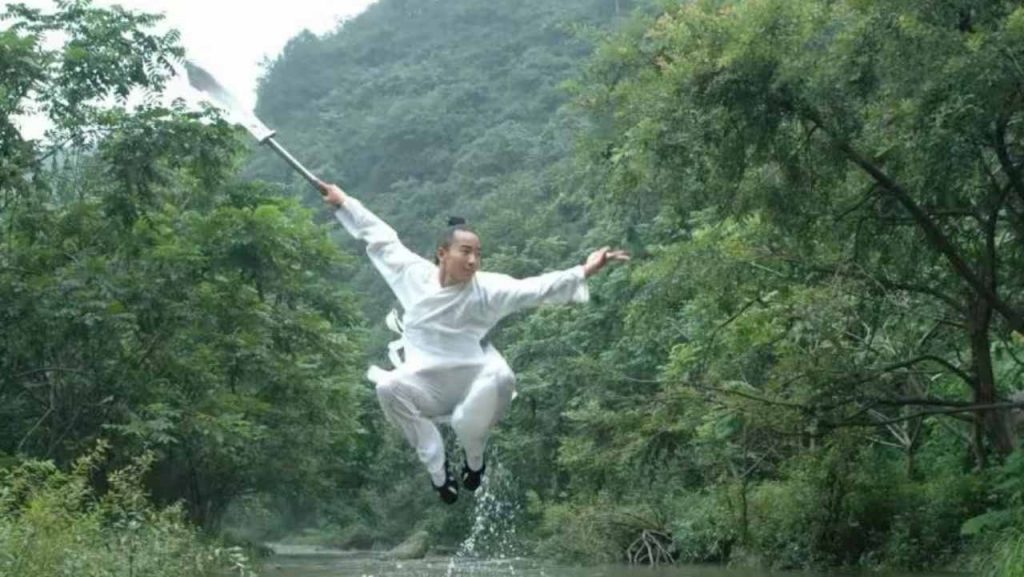
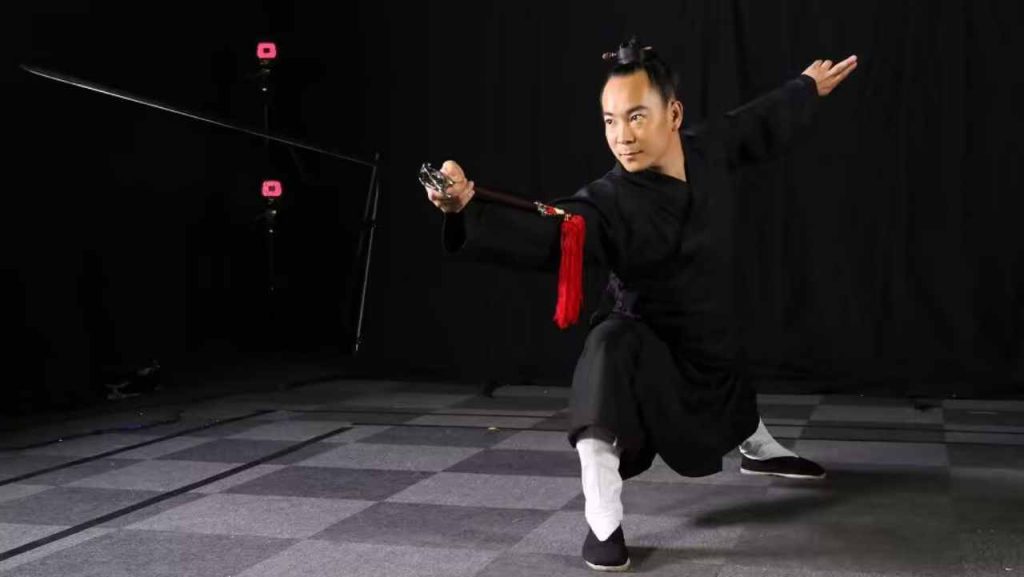
Wudang traditional martial arts feature a clear, structured, and deep training system. Whether your goal is to master physical combat alignment or find mental stillness, our comprehensive Wudang Kung Fu curriculum is meticulously designed to guide you step-by-step. Starting from foundational skills, students gradually master core technical requirements such as hand movements, eye coordination, body posture, combat methods, and footwork. At the same time, practitioners deeply study Wudang internal martial arts, weapon skills, traditional Tai Chi systems, and Taoist health preservation exercises. The entire learning process balances highly practical teaching with focused, closed-door cultivation, striving to integrate literary study and internal wisdom with martial arts mastery.
Complete Training Syllabus
I. Wudang Boxing Forms
Our hand forms lay the physical foundation for anyone looking to learn Chinese martial arts from the ground up:
Wudang Basic Boxing
Wudang Xuangong Boxing (Route 1)
Wudang Xuangong Boxing (Route 2)
Wudang Xuangong Boxing (Route 3)
Wudang Fuhu Boxing (Tiger Subduing Boxing)
Wudang Xuanzhen Boxing (Mystical Truth Boxing)
Wudang Xuanwu Boxing (Mysterious Warrior Boxing)
Wudang Longhua Boxing (Dragon Flower Boxing)
Tai Chi Thirteen Movements
Tai chi 28 forms (Wudang Tai Chi 28 Forms)
Wudang Tai Chi 108 Forms
Wudang Bajiquan (Eight Extremities Boxing)
Wudang Bagua Zhang (Eight Trigrams Palm)
Taiyi Wuxing Boxing (Five Elements Boxing of the Supreme One)
Wudang Xingyi Boxing (Mind-Intention Boxing)
Wudang Taihe Boxing (Great Harmony Boxing)
II. Wudang Weapons
Our specialized kung fu weapons training covers everything from standard blades to traditional, sacred Taoist implements:
Sanfeng Tai Chi Sword
Taiyi Xuanmen Sword (Mysterious Gate Sword of the Supreme One)
Wudang Baxian Sword (Eight Immortals Sword)
Wudang Tai Chi Saber
Wudang Xuangong Saber (Mysterious Skill Saber)
Wudang Chunqiu Dadao (Spring-Autumn Great Saber)
Wudang Taiyi Fuchen (拂尘 / Taoist Whisk)
Wudang Fangbian Chan (Convenient Shovel)
Wudang Baxian Gun (Eight Immortals Staff)
Wudang Ziwun Qiang (Midnight-Sun Spear)
Wudang Longhua Sword (Dragon Flower Sword)
III. Taoist Health Cultivation Qigong
Unifying the mind with physical health, these routines focus on deep internal alchemy and Taoist breathing exercises:
Static Sitting Internal Cultivation Qigong
Ziwu Sleep Qigong (Midnight-Noon Sleep Cultivation)
Huogu Yangsheng Qigong (Bone-Nourishing Health Qigong)
Taoist Baduanjin (Eight-Section Brocade)
Hunyuan Zhuangong (Primordial Unity Stance Qigong)
Wuxing Yangsheng Gong (Five Elements Health Cultivation)
Hexing Zhuangong (Crane Stance Qigong)
IV. Taoist Culture
True mastery goes beyond the physical. These cultural courses enrich the mind:
Taoist Professional Courses
Classic Interpretation
Taoist Medical Health Theories
Yijing (I Ching) Study Sessions
Calligraphy Classes
Long-Term Plan: Semester Objectives and Learning Forms
The complete study plan inside our Wudang Kung Fu curriculum is divided into five intensive semesters, with rich content focusing specifically on enhancing students’ comprehensive mental and physical capabilities.
First Semester: Focuses entirely on improving basic physical attributes such as flexibility, agility, and muscular strength. Students master the highly coordinated application of hand, eye, body, method, and footwork while learning the fundamental skills of three distinct boxing styles and one weapon form.
Second Semester: Built on the basis of consolidating the first year’s learning achievements, students gradually deepen their study of advanced, new martial arts content.
Third Semester: Comprehensively complete the intense study of the Taiyi Boxing System of the Sanfeng School along with various complex weapon skills.
Fourth Semester: Begin to actively cultivate teaching and coaching abilities. Students deeply study advanced internal martial arts content such as Tai Chi and Wuji and actively participate in domestic and international martial arts competitions to test, refine, and enhance their personal skills.
Fifth Semester: Engage in overseas internship teaching, represent Wudang Mountain directly in external performance exchanges, and widely participate in major media activities to enhance personal reputation and the global popularity of Wudang martial arts.
Short Term Training: A Crash Course for Mind and Body
While there are undeniable benefits for long-term disciples, that does not mean short-term training cannot be highly beneficial as well. Short-term students can enjoy an intensive crash course in basic training, gaining a completely new perspective on how to train the body and mind. Typically, within a single month, a student is fully able to learn a single traditional form alongside basic physical training, morning Qigong, and evening meditation classes.
For students who only have one month or less to dedicate to training, our academy still has much to offer. Training in Wudang Martial Arts is a lifelong endeavor, but that does not mean that you have to accomplish everything on day one. Goals must be met consistently over time as the body slowly becomes better balanced and ready to handle the more advanced internal forms.
More is not always better. Health medicine is healthy because it is taken in proper portions and strict schedules. We cannot simply eat all of our medicine at once and expect to be in perfect health. Just so, we should approach our training with a similar, patient mindset.
Students may register to come for one month, a few weeks, a single week, or even just a few days. Of course, what they may accomplish will match their time period. One week is still plenty of time to learn a simple qigong pattern, and a few days is still an excellent chance to delve directly into the training environment and possibly plan for returning at a later date to continue training.
Internal Or External? Finding Your Alignment
Deciding whether you should learn internal or external systems is determined by what your overall lifestyle goals are and what your previous martial arts experience level is.
The Internal, Soft Path (Tai Chi & Xingyi)
Consider this direction if you find yourself asking these questions:
Are your goals to become more stable, both mentally and physically?
Are you looking for reliable methods to release daily anxiety or lower blood pressure?
Are you trying to find active ways to correct your posture and reinforce better alignment habits?
Do you have chronic injuries or physical imbalances that you wish to safely correct?
Have you always been fascinated by meditation and curious about the benefits of taming your emotions?
If these questions ring true for you, you should consider focusing on the internal, soft styles like Tai Chi, including the foundational Tai Chi 28 forms, and Xingyi (Body-Mind Boxing). These arts prioritize internal energy flow and Taoist breathing exercises to heal the body.
The External, Hard Path (Baji Quan & Weapon Mastery)
Consider this direction if you align with these traits:
Are you an energetic, sports-active person looking for an intense physical challenge?
Are you looking for something to take your current athletic conditioning to the next level?
Are you already experienced in martial arts and curious about the specific, historical combat styles of Wudang?
Are you highly interested in weapons techniques and how the body can be used in perfect unison with ancient tools?
Do you want to gain a dynamic training regime that will increase your raw strength, endurance, stamina, power, flexibility, and coordination?
If these goals get your blood pumping, an external, hard style like Wudang Bajiquan or comprehensive kung fu weapons training is exactly your speed.
Planning Your Arrival: The Best Season for Training
While the schedule for training and curriculum content varies slightly depending on the seasons (as most of our training is conducted outside), every season still offers comprehensive development in martial arts training. Even so, some times of the year are better if your personal training goals are highly specific:
| Season | Training Focus & Advantages | Academy Student Population |
| Summer (June, July, August) | Ideal for developing flexibility and speed. Warm weather loosens muscles quickly. | Peak Population: Very busy. Space must be reserved 1–2 months prior to arrival. |
| Winter (Nov, Dec, Jan) | Ideal for developing internal power, stamina, and mental willpower through cold conditioning. | Low Population: Quieter environment allowing for more one-on-one time with coaches. |
| Spring & Autumn | Ideal for mild weather training, balanced temperatures, and deep meditation. | Moderate Population: Steady flow of exchange students and seasonal practitioners. |
Packing & Preparation Advice
For the Winter Months: It is highly advisable that you bring plenty of warm, athletic, and moisture-wicking clothing. During training, you will want to wear layers so that you can stay warm but move around freely, removing layers as your body heats up. It is incredibly important to stay dry and warm during the winter.
For the Summer Months: Training may feel physically easier to adjust to, but you must remember to stay cool and well-hydrated. Wear loose clothing and apply high-quality sunscreen if you have sensitive skin, as much of our training is done outside, year-round.
For the Spring and Autumn Months: These periods can bring sudden days of rain. Although the Wudang region does not have an aggressive wet season, it benefits the student to consult climate charts ahead of time. You can find updated, detailed weather trends online using platforms like climate-data.org, weatherspark.com, worldweatheronline.com, or weather.com to plan your gear perfectly before traveling to learn Chinese martial arts.