Wudang Taoist Music
Wudang Taoist Music
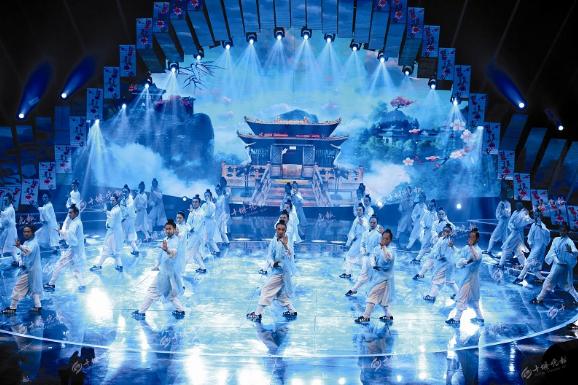
Commonly known as “Wudang Rhymes,” Wudang Taoist music represents the sacred ritual melodies of temples across Wudang Mountain. Inscribed on the first national intangible cultural heritage list in 2006 and hailed as “Immortal Music amid Clouds and Mist,” it forms an integrated system of traditional Chinese music that combines elegant court music, Ba-Chu folk tunes, and ritual melodies of both Quanzhen and Zhengyi Taoist sects.
Historical Development
- Origins: Embryonic Form in the Han and Wei Dynasties
Early theories behind Wudang Taoist music were recorded in the Taiping Jing during the Eastern Han Dynasty. By the Wei, Jin, Southern, and Northern Dynasties, vocal recitation accompanied by music had emerged on Wudang Mountain, introducing ritual instruments such as bells and chimes into sacred ceremonies. - Formation: Foundation Laid in the Song and Yuan Dynasties
The imperial courts of the Song Dynasty heavily venerated Taoism, standardizing sacrificial rituals while incorporating string and wind instruments into temple performances. During the Yuan Dynasty, both Quanzhen and Zhengyi sects gathered on Wudang Mountain, blending tranquil meditation melodies with grand sacrificial compositions. - Golden Age: Maturation in the Ming Dynasty (Core Formative Stage)
When the Yongle Emperor designated Wudang Mountain as an imperial Taoist shrine, he summoned 400 accomplished Taoist musicians from across China to serve as full-time ritual performers. The imperial court issued the Imperially Composed Xuanjiao Movement Scores, including dedicated pieces honoring God Zhenwu. Imperial temple music traditions merged with mountain folk melodies of the Jingchu region, finalizing the complete system of Wudang Rhymes. - Modern Inheritance
Though declining in the early modern era, the Wudang Mountain Taoist Association established a professional scripture music troupe to rescue ancient scores. Today, they have restored complete daily recitations and grand sacrificial ritual music for public performances, preserving this sacred living heritage.
Two Core Genres: Vocal Rhymes & Instrumental Pieces
Vocal Rhymes (Chanted Texts, the Soul of Wudang Taoist Music)
Centered on scripture chanting, vocal rhymes are considered the soul of Wudang Taoist music. They are categorized into two styles:
Yang Tunes: Bright, serene melodies used in morning recitations, birthday blessings, and god-welcoming ceremonies. Representative works include Clarifying Rhythm, Hanging Hymn, Three Treasures Incense, and Ode to the Three Pure Ones.
Yin Tunes: Deep, mournful melodies performed during evening recitations and salvation ceremonies for departed souls. Representative works include Master Sa’s Iron Casserole, Ghost Feeding Ritual Rhymes, and Universal Offering Hymn.
Chanting forms include solo, leading recitation, unison, and chorus, accompanied throughout by wind and percussion instruments to help purify the heart and align with Taoist principles.
Instrumental Pieces
Pure instrumental compositions serve as essential interludes for ritual transitions and processions:
Formal Ritual Pieces: Exclusive, solemn compositions for sacred ceremonies, such as Wood Scripture Tune and the famous White Crane Wings.
Light Folk Pieces: Lively ditty tunes played during deity processions and ritual intervals, including Mountain Sheep Tune, Moon over Parasol Tree, and Guest Greeting Immortal.
Percussion-Only Pieces: Combinations of bells, drums, chimes, and cymbals played to mark the beginning and end of rituals as practitioners pace the Dipper Steps.
Musical Instruments & Ritual Percussion (Integrated Chanting, Music and Dance)
Wudang Taoist music employs a full spectrum of traditional Chinese instruments, categorized into three distinct groups:
Lead Wind Instruments: Sheng, bamboo flute, xiao, and guanzi. The ethereal, floating tones of the bamboo flute and other woodwinds define the distinctive soundscape of Wudang Rhymes.
Core Percussion Ritual Instruments: Great bell, jade chime, hall drum, cymbals, gong block, wooden fish, and handbell. Bells and chimes connect heaven and the underworld, drums dispel evil, and the wooden fish regulates chanting rhythms.
String Instruments: Guqin (seven-stringed zither), pipa, ruan, erhu, and yangqin. The guqin holds the highest status, embodying Taoist ideals of tranquility and inaction.
Together, these wind and percussion instruments combine with string accompaniment during grand rituals to guide senior Taoist priests through the Dipper Steps, creating a seamlessly integrated performance of chanting, instrumental music, and sacred dance.
Unique Artistic Features
Fusion of Three Heritage Sources
Imperial Court Elegant Music: Rooted in Ming Dynasty imperial standards, giving the music a grand, dignified, and structurally rigorous framework.
Ba-Chu Folk Music: Shaped by mountain folk tunes of the Qinba region, infusing grace and local charm into the compositions.
Dual Taoist Sect Traditions: Combines the quiet, restrained meditation tunes of Quanzhen with the magnificent sacrificial music of Zhengyi.
2. Alignment with Taiji Philosophy
The melodies alternate dynamically between softness and strength. Quiet passages remain remote and serene, while grander movements are open and imposing, echoing the core tenets of Taiji: harmony and living in accordance with Nature.
3. Preserved Living Repertoire
Wudang Mountain remains one of the few places in China to preserve complete musical scores matched to full ritual procedures, passed down orally alongside ancient gongche musical notation.
Main Performance Occasions
Daily Cultivation: Fixed chanting at dawn and dusk, opening with Clarifying Rhythm.
Commemorative Rituals: Celebrations for God Zhenwu’s birthday, the Shangyuan, Zhongyuan, and Xiayuan Festivals, and Patriarch ascension rituals.
Grand Sacrificial Ceremonies: Universal Grand Sacrifices, Golden Register Rituals for blessing, and Yellow Register Rituals for soul salvation.
Contemporary Stage Performances: Cultural tourism showcases and international exchange events featuring signature suites like Taihe Pure Rhythms.
Cultural Value
- Living Specimen of Intangible Cultural Heritage
It fully preserves the original form of Ming Dynasty imperial Taoist music. Its gongche scores, instrumental suites, and ritual procedures form an unbroken lineage, serving as vital research material for ancient music and ritual systems of the Yuan, Ming, and Qing dynasties. - Core Cultural Symbol of Wudang Culture
Together with Tai Chi and ancient temple architecture, it forms the three pillars of Great Yue (Wudang Mountain) culture, interpreting faith in God Zhenwu and Taiji philosophical thought through music. - Treasure of Traditional Chinese Music
It embodies the integrated development of religious ritual music, imperial court music, and folk ditties, offering abundant classical materials for modern national instrumental and vocal composition. - Cultural Calling Card for External Exchange
It has been staged overseas numerous times, conveying the oriental aesthetic of tranquility, purity, and harmony to global audiences.
As a living specimen of intangible heritage, Wudang Taoist music preserves the authentic musical forms of Ming Dynasty imperial Taoism. Alongside Tai Chi and ancient temple architecture, it stands as one of the three foundational pillars of Great Yue (Wudang Mountain) culture. Recognized worldwide as a landmark genre of traditional Chinese music, its recordings and stage performances continue to convey the oriental aesthetic of tranquility, purity, and spiritual harmony to global audiences.
Representative Classic Works
- Vocal Rhymes: Clarifying Rhythm, Plum Blossom Melody, Three Treasures Incense, Ode to the Big Dipper Elder, Complete Ghost Feeding Ritual Suite
- Instrumental Suites: Mountain Sheep Tune, Moon over Parasol Tree, White Crane Wings, Guest Greeting, Immortal.